AI, Truth, and the Information Ecosystem Can We Still Trust What We Read
As AI-generated content floods our digital landscape—from deepfakes to synthetic news sites—the battle for truth enters a critical phase. This article examines how large language models are reshaping the information ecosystem, why detection technologies are struggling to keep pace, and how emerging solutions like content provenance and digital watermarking offer hope. With deepfakes projected to reach 8 million by year's end, can we rebuild trust in what we read online?
11/10/20254 min read
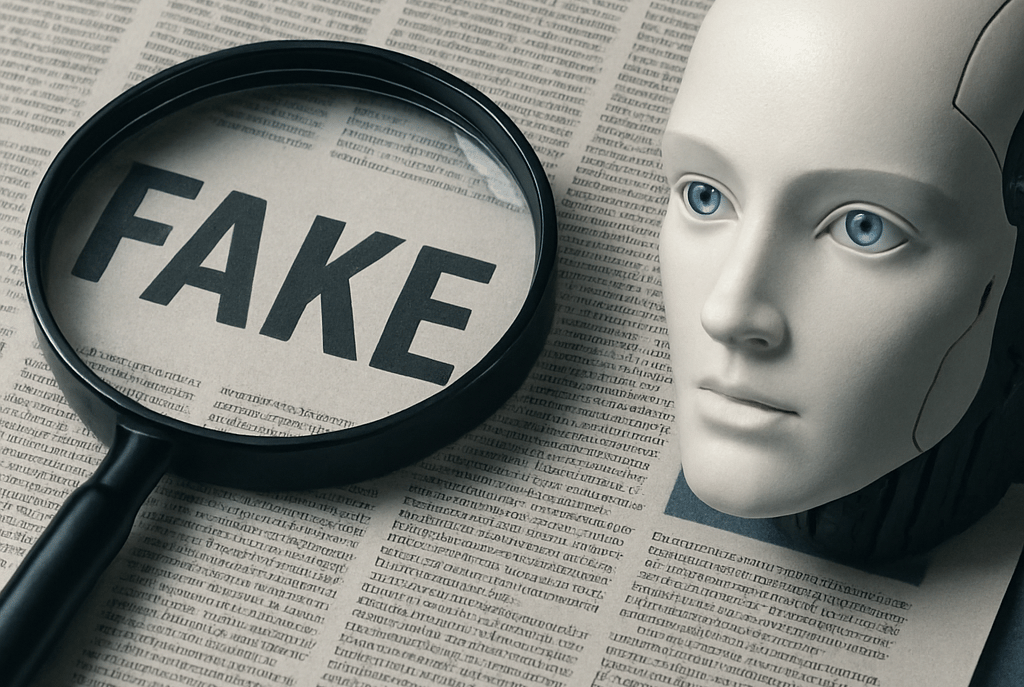
The digital landscape we navigate daily is undergoing a seismic transformation. As large language models and generative AI tools reshape how content is created and distributed, we're confronting an uncomfortable question: can we still trust what we see, read, and hear online?
The answer is increasingly complex. Deepfake content shared across social media is projected to reach 8 million by the end of this year, up from an estimated 500,000 in 2023—a staggering 900% annual growth rate. Meanwhile, more than 1,200 AI-generated news sites have emerged by May 2025, publishing in 16 languages with little to no human oversight. These aren't fringe operations; some have even fooled established news organizations into linking to their AI-produced content.
The challenge extends beyond obvious fabrications. Synthetic data is becoming a strategic asset for training AI models as high-quality, ethically usable real-world data becomes scarce. This creates a feedback loop where AI-generated content trains future AI systems, potentially amplifying biases and distorting our collective understanding of reality.
The Detection Dilemma
If the proliferation of synthetic content is alarming, the state of detection technologies offers little comfort. Research shows that detection tools struggle significantly when encountering content generated using techniques not covered in their training data. This fundamental limitation means that as generative AI advances, detection capabilities are perpetually playing catch-up.
Detection accuracy can fall by 45-50% when systems are moved from controlled laboratory environments to real-world applications. Even more concerning, malicious actors can employ simple techniques—adjusting lighting, applying filters, or removing visual inconsistencies—to evade detection entirely.
Human performance isn't much better. Studies indicate that people struggle to distinguish between synthetic and authentic media, with detection performance hovering around 50%—essentially no better than chance. The problem is particularly acute with AI-synthesized images that appear realistic and provide strong evidence for false headlines, significantly increasing belief in misinformation.
Provenance as a Path Forward
Recognizing that detection alone cannot solve the authenticity crisis, technologists and media organizations are pursuing a different approach: establishing clear provenance for digital content. The Coalition for Content Provenance and Authenticity has developed C2PA 2.1, which strengthens Content Credentials through the integration of digital watermarks.
These systems function like nutrition labels for digital content, providing transparent information about who created it, how it was made, whether AI was involved, and what edits occurred. Major platforms including Adobe Firefly, OpenAI's DALL-E, and even camera manufacturers like Leica and Nikon now automatically embed provenance credentials in their outputs.
The innovation of C2PA 2.1 lies in combining cryptographically signed metadata with imperceptible digital watermarks embedded in the content itself. This addresses a critical weakness of earlier systems: when content is shared across social media platforms that strip metadata, the watermark survives, allowing the provenance information to be recovered. Many platforms automatically remove metadata from digital assets, which previously rendered provenance tracking ineffective.
Yet provenance technology is no panacea. Implementation remains voluntary, adoption is uneven across platforms, and the systems require broad cooperation from technology companies, publishers, and platforms to be truly effective. Moreover, provenance can only tell us the history of content—it cannot automatically determine whether that content is truthful.
The Human Factor
Perhaps the most challenging aspect of the AI misinformation crisis isn't technological—it's psychological. Research consistently shows that AI-enabled misinformation largely succeeds with those who already agree with the broad intent of the false message. This suggests that the problem isn't primarily about sophisticated forgeries fooling unsuspecting audiences, but rather about confirmation bias and the human tendency to embrace narratives that align with existing beliefs.
When people are exposed to AI-generated misinformation, they report higher concern about information quality online and may paradoxically increase their reliance on trusted news outlets. This presents both a challenge and an opportunity: while the flood of synthetic content erodes general trust, it may simultaneously increase the value placed on credible journalism and fact-checking organizations.
When asked how they verify questionable information, the largest proportion of survey respondents said they first consult trusted news outlets, followed by official sources and fact-checkers—suggesting that traditional markers of credibility still matter, even in an AI-saturated environment.
Reputational Signals in a Synthetic Age
As we navigate this transformed landscape, reputational signals—the markers that help us distinguish reliable sources from unreliable ones—become increasingly critical. These include editorial standards, journalistic accountability, institutional backing, and track records of accuracy.
However, AI is disrupting even these established signals. Prominent news organizations have inadvertently linked to AI-generated content from dubious outlets, and some legacy media have issued numerous corrections after deploying AI-generated news summaries. When trusted brands make such errors, the traditional shortcuts we use to assess credibility become less reliable.
The path forward requires a multi-layered approach. Technology alone—whether detection algorithms or provenance systems—cannot restore trust. We need complementary strategies including media literacy education, regulatory frameworks, platform accountability, and journalistic standards adapted for the AI era.
Most fundamentally, we need to recognize that the question "Can we trust what we read?" has always required critical thinking and source evaluation. What's changed is the scale and sophistication of the challenge. In 2025, digital literacy isn't optional—it's essential survival equipment for navigating an information ecosystem where the line between authentic and artificial has become perilously thin.
The technology that enables mass production of synthetic content isn't going away. Our response must evolve from seeking perfect detection to building systems—technical, institutional, and educational—that make truth easier to find and verify than falsehood. Whether we succeed will determine not just what information we consume, but what kind of society we become.