Chatbots: From Simple Scripts to Everyday AI Assistants
This blog explains how chatbots have evolved from rigid, rule-based FAQ bots into powerful AI assistants that understand natural language, remember context, and integrate with business workflows. It explores where chatbots create real value—from customer support and sales to internal self-service—what makes a good chatbot in practice, and why the future lies in agentic bots that don’t just answer questions but take actions across systems.
12/1/20222 min read
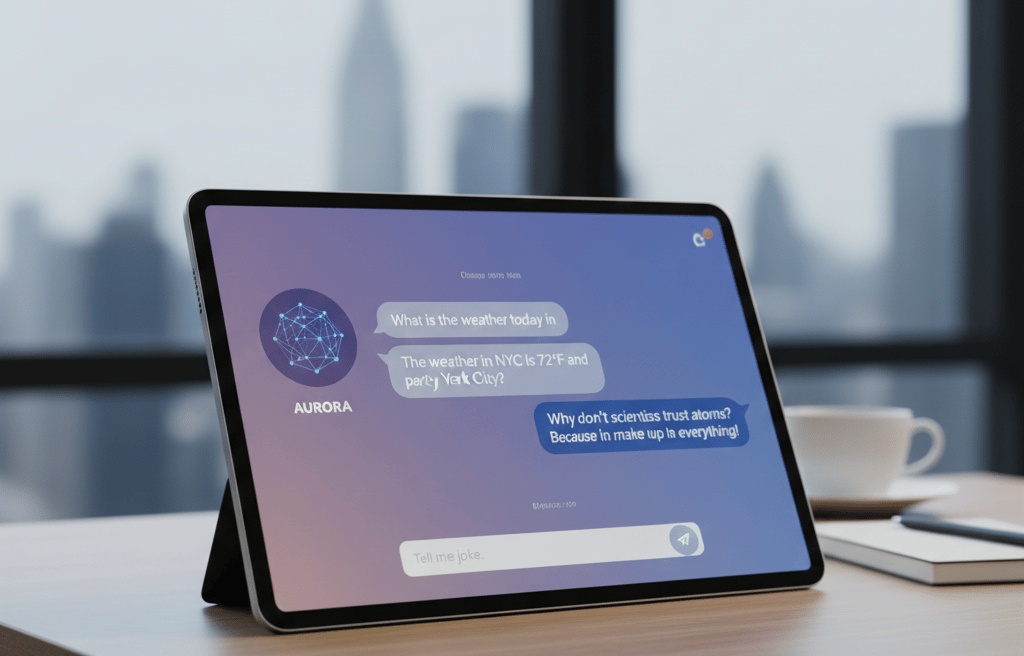

Chatbots have gone from gimmicky website widgets to serious digital workers sitting at the heart of customer experience, support, and internal operations. At their simplest, a chatbot is a software application that interacts with users via text or voice. At their most advanced, modern AI chatbots use large language models (LLMs) to understand natural language, reason about intent, and respond in ways that feel surprisingly human.
From Rule-Based to AI-Driven
The first generation of chatbots were rule-based: they matched user messages to predefined keywords (“order status”, “reset password”) and returned canned responses. They were predictable—but also rigid. If you didn’t phrase your question the “right” way, the bot failed.
Modern AI chatbots flip this around. Instead of forcing users to adapt to the system, they adapt to the user. Powered by LLMs, they can:
Understand messy, informal language
Handle follow-up questions in context
Summarize long documents or threads
Generate tailored replies on the fly
This shift—from static scripts to adaptive models—is why chatbots are no longer just FAQ bots, but full-blown conversation interfaces for products, services, and internal tools.
Where Chatbots Create Real Value
Most organizations adopt chatbots for customer support automation: answering common questions, routing requests, and providing 24/7 availability. Done right, this reduces ticket volume, cuts wait times, and frees human agents to focus on complex issues.
But that’s only the beginning. AI chatbots are increasingly used for:
Employee self-service – HR, IT, and policy questions via internal chatbots
Sales and lead qualification – capturing intent, pre-qualifying leads, and booking demos
Knowledge retrieval – turning wikis and PDFs into a conversational knowledge base
Product onboarding – guiding users through set-up and troubleshooting
The real ROI isn’t just “fewer humans”; it’s better experiences, faster resolution, and more consistent answers across channels.
What Makes a Good Chatbot (Beyond the Hype)
A successful chatbot is not just “using AI”. It needs a few critical ingredients:
Clear purpose – Is it for support, sales, internal help, or something else? Narrow scope works best.
Good data – Access to accurate, up-to-date knowledge sources beats a generic model every time.
Memory and context – The bot should remember what happened earlier in the conversation and, ideally, learn from interactions over time.
Human handoff – When it gets stuck, it must gracefully hand off to a human agent, not trap users in a loop.
Without these, even the smartest model will feel frustrating and unreliable.
The Future: Chatbots as AI Teammates
The next evolution of chatbots is moving toward agentic behavior—systems that don’t just answer questions but also take actions: updating records, triggering workflows, or coordinating with other tools. Instead of being “just a chat window,” the chatbot becomes a unified interface into your systems.
For businesses, the message is clear: chatbots are no longer optional “nice-to-have” widgets. They are quickly becoming the default way users expect to interact—with brands, with software, and even with their own internal tools. Those who treat chatbots as strategic AI assistants, not just FAQ bots, will be the ones who unlock their real potential.